Daily Vitamins
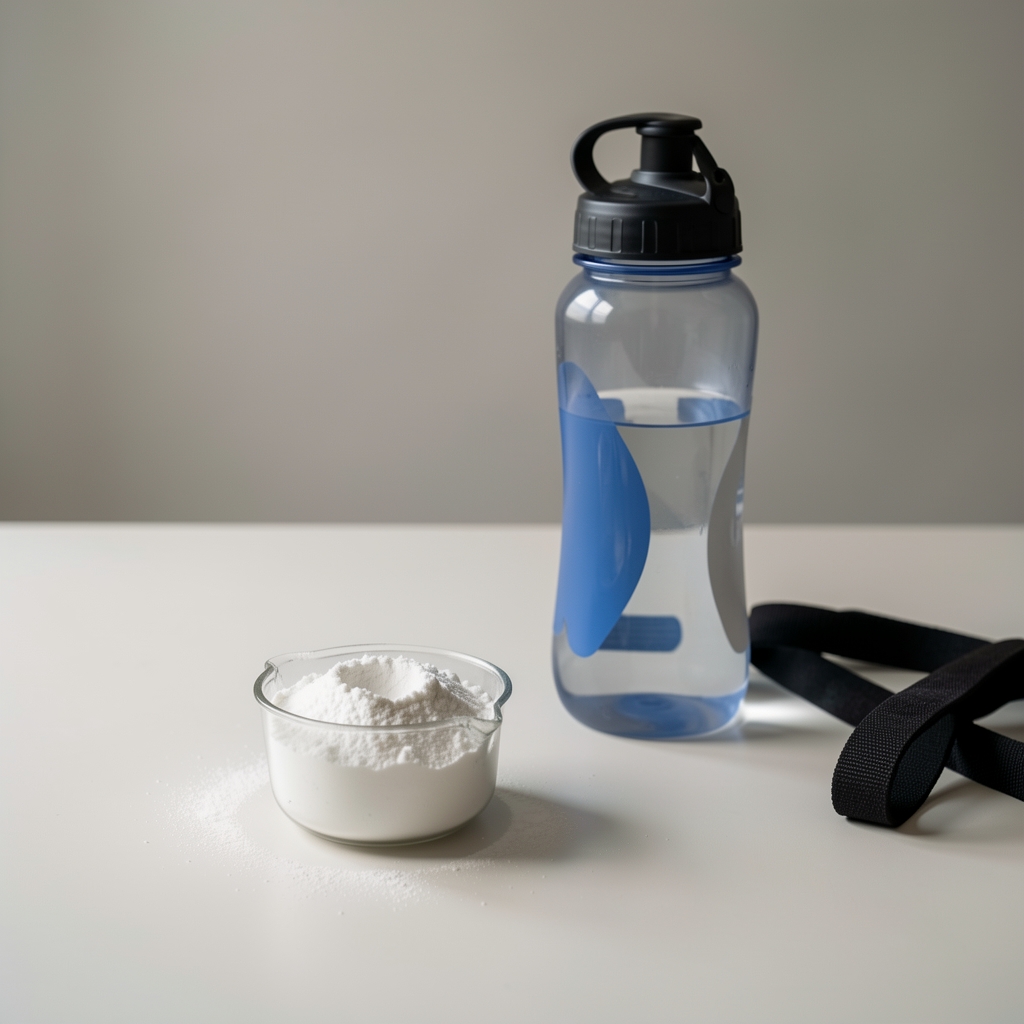
Creatine is among the most extensively researched nutritional supplements in the published literature. The breadth of published findings on its role in supporting physical output over time distinguishes it from many other supplements commonly discussed in the context of men's gym nutrition. This editorial reviews the published research landscape, noting what is well-established, what remains under active investigation, and how the supplement integrates into a daily stack for active men.
Creatine monohydrate is the form most extensively covered in published nutritional and exercise science research. The documented mechanism involves creatine's role in the replenishment of adenosine triphosphate (ATP) during high-intensity physical activity — a process that published studies associate with the capacity for sustained output across multiple sets or intervals in resistance training contexts. The editorial notes this as a well-documented finding across a substantial volume of published research, not as a novel or contested claim.
What distinguishes creatine in the published literature is the relative consistency of findings across different research groups and methodologies. Published meta-analyses — studies that aggregate findings across multiple individual studies — generally report that creatine supplementation is associated with improvements in high-intensity exercise capacity over time. The editorial notes "over time" as significant: the research associates sustained daily supplementation with the documented effects, not single-dose or short-term approaches.
The quantity of creatine naturally present in the body varies according to dietary intake and individual metabolic patterns. Red meat and fish contain creatine in their natural state, and men who consume these foods regularly will have some dietary creatine intake. Published research notes, however, that the amounts present in typical dietary servings are generally lower than the daily amounts used in supplementation protocols documented in the research literature.
The published literature on creatine supplementation protocols distinguishes between two main approaches: loading protocols, which involve higher daily amounts for a short initial period followed by a lower maintenance amount, and steady-state protocols, which use a consistent daily amount from the outset without an initial loading phase. Both approaches appear in the published research, and the editorial notes their relative documented characteristics without prescribing one over the other.
Published research generally notes that loading protocols result in faster saturation of muscle creatine stores — typically within one to two weeks — while steady-state protocols achieve similar saturation levels over a longer period, typically three to four weeks. The practical significance of this difference depends on the individual's goals and timeline, neither of which the editorial is positioned to assess on behalf of any reader.
The editorial observation here is that the published literature supports both approaches as pathways to similar end states, and that the choice between them is largely a matter of practical preference and individual routine rather than a consequential difference in the documented outcomes associated with supplementation.
The practical question for many active men is how creatine integrates into a broader daily supplement routine. The published literature does not suggest specific incompatibilities with other commonly documented supplements — vitamin D, magnesium, omega-3, protein powder — at standard supplementation amounts. The editorial records this as a positive contextual finding for men who are building a multi-supplement daily routine.
The question of timing — whether to take creatine before or after physical activity, or at a neutral time of day — is addressed in published research with mixed conclusions. Several published studies suggest a post-exercise window may have a modest advantage, while others note that consistent daily intake at any time produces comparable results. The editorial records this as an unresolved question in the literature and notes that consistency of daily practice appears to be the more consequential variable in the documented research.
On the question of hydration: published research notes that adequate water intake is relevant when supplementing with creatine, as the compound draws water into muscle cells as part of its documented mechanism. The editorial notes this as an observational point from the published literature, not as a warning or a constraint.

A recurring area of confusion in popular supplement commentary is the relationship between creatine and protein supplementation. The published literature treats these as distinct supplements with distinct documented roles. Protein — particularly at sufficient daily intake across whole food and supplemented sources — is associated in published nutritional research with supporting muscle protein synthesis and overall daily protein intake targets. Creatine, by contrast, is associated in the literature with high-intensity output capacity during resistance training sessions.
The editorial notes these as complementary in the context of a daily supplement stack for men who train regularly — not interchangeable, and not in competition. Both are among the most consistently documented supplements in the published literature on men's nutrition and active lifestyle support.
As with all editorial content published by omtrek Journal, this article reflects the writers' observations on published nutritional research. It is not intended as professional advice. Readers with specific concerns about their daily supplement routines are encouraged to speak with a qualified wellness professional.

Jakarta-based editorial researcher on men's nutritional habits and everyday supplement practice. Editor and primary writer at omtrek Journal.
More from Marcus →